Published October 18, 2025
Youth Health Education Programs: Building Healthy Futures for Children and Adolescents
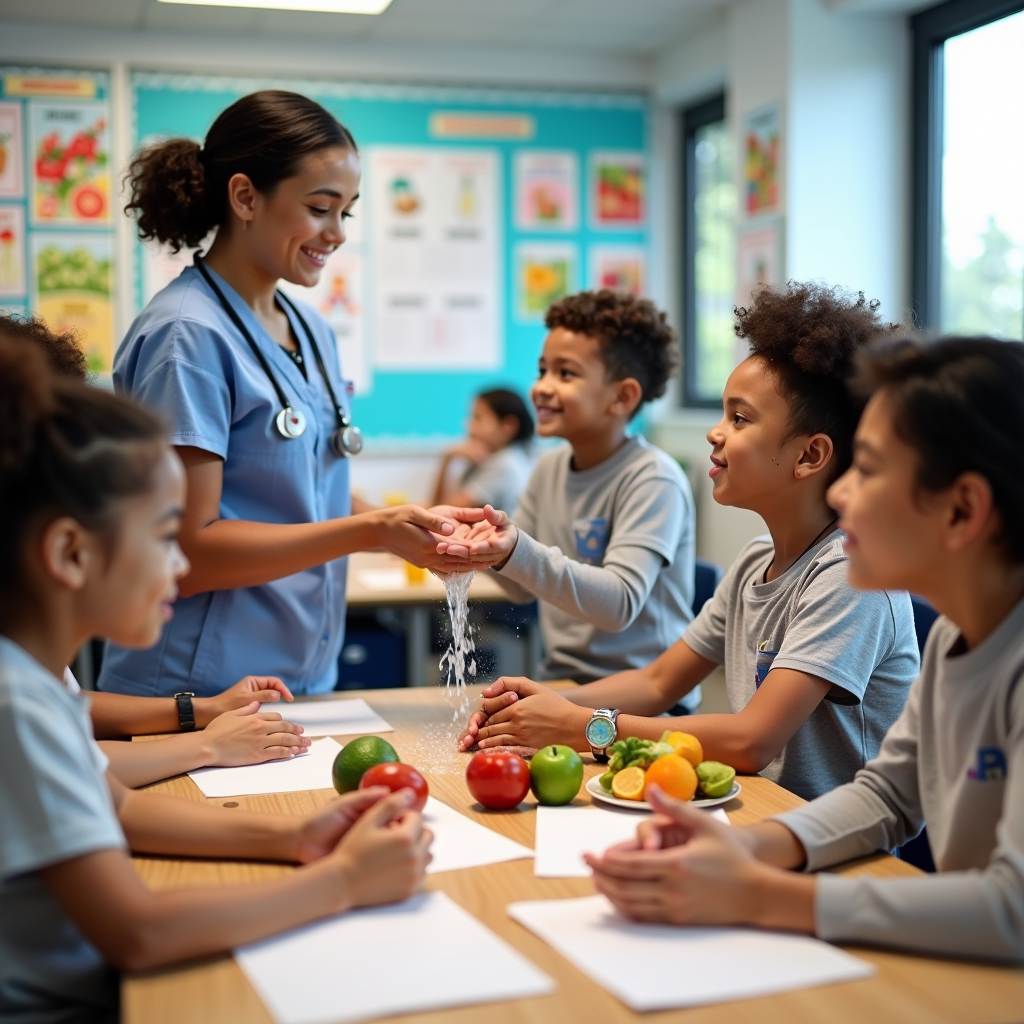
The Lelash Foundation Inc is committed to empowering the next generation through comprehensive health education programs designed specifically for children and adolescents. Our evidence-based initiatives provide young people with the knowledge, skills, and resources they need to make informed decisions about their health and wellbeing throughout their lives.
In partnership with local health departments, schools, and community centers, we deliver engaging educational programs that address the most critical health topics facing today's youth. From basic hygiene practices to complex issues like substance abuse prevention and emotional wellbeing, our programs create safe, supportive environments where young people can learn, ask questions, and develop healthy habits that will serve them for a lifetime.
Comprehensive Health Education Topics
Personal Hygiene and Disease Prevention
Understanding proper hygiene practices is fundamental to maintaining good health and preventing the spread of infectious diseases. Our hygiene education modules teach children and adolescents essential practices including proper handwashing techniques, dental care, personal grooming, and respiratory etiquette. Through interactive demonstrations and age-appropriate materials, participants learn why these practices matter and how to incorporate them into their daily routines.
We emphasize the science behind hygiene practices, helping young people understand how germs spread and how simple actions can protect their health and the health of those around them. Our educators use engaging activities, visual aids, and hands-on practice to ensure that participants not only learn these skills but feel confident applying them in real-world situations.
Nutrition Education and Healthy Eating Habits
Proper nutrition during childhood and adolescence is critical for physical growth, cognitive development, and establishing lifelong healthy eating patterns. Our nutrition education programs teach participants about the essential food groups, portion sizes, reading nutrition labels, and making healthy food choices. We address common nutritional challenges facing young people today, including the prevalence of processed foods, sugar-sweetened beverages, and the importance of balanced meals.
Through interactive cooking demonstrations, meal planning activities, and discussions about food marketing and peer influence, we help young people develop critical thinking skills around food choices. Our programs also address food insecurity and provide resources for families seeking access to nutritious foods. We work to create positive relationships with food that support both physical health and emotional wellbeing.
Physical Activity and Fitness
Regular physical activity is essential for healthy development, yet many children and adolescents do not meet recommended activity levels. Our physical activity programs educate participants about the benefits of exercise for physical health, mental wellbeing, and academic performance. We introduce various forms of physical activity, from organized sports to recreational activities, helping young people find activities they enjoy and can sustain throughout their lives.
Our approach emphasizes movement as fun and accessible rather than competitive or intimidating. We teach participants about cardiovascular health, strength building, flexibility, and the importance of balancing screen time with active play. Through group activities and individual goal-setting, we help young people develop positive attitudes toward physical activity and understand its role in overall health.
Substance Abuse Prevention and Risk Reduction
Preventing substance abuse begins with education, and our programs provide age-appropriate information about the risks associated with tobacco, alcohol, and other drugs. We use evidence-based curricula that address not only the health consequences of substance use but also the social, emotional, and legal implications. Our educators create safe spaces where young people can ask questions, discuss peer pressure, and develop refusal skills.
We recognize that effective substance abuse prevention goes beyond "just say no" messaging. Our programs help participants understand the factors that contribute to substance use, including stress, mental health challenges, and social influences. We teach coping strategies, decision-making skills, and provide information about resources available for those struggling with substance use or concerned about family members or friends.
Our approach is non-judgmental and focuses on empowering young people with accurate information and practical skills. We address emerging trends in substance use, including vaping and prescription drug misuse, ensuring that our content remains relevant and responsive to current challenges. Through role-playing exercises, group discussions, and peer education components, participants develop confidence in making healthy choices even in challenging situations.
Emotional Wellbeing and Mental Health
Mental health is an integral component of overall health, and our programs address emotional wellbeing with the same importance as physical health. We teach children and adolescents to recognize and name their emotions, understand the connection between thoughts, feelings, and behaviors, and develop healthy coping strategies for stress and difficult emotions. Our curriculum includes age-appropriate information about common mental health challenges, reducing stigma, and knowing when and how to seek help.
We emphasize building resilience, self-esteem, and positive relationships as protective factors for mental health. Through activities focused on mindfulness, stress management, and emotional regulation, participants develop practical skills they can use daily. We also address the impact of social media and technology on mental health, helping young people navigate digital spaces in ways that support rather than harm their wellbeing.
Our educators are trained to recognize signs of mental health concerns and provide appropriate referrals to professional services. We work closely with school counselors, mental health professionals, and community resources to ensure that participants who need additional support can access it. By normalizing conversations about mental health and providing concrete tools for emotional wellbeing, we help young people develop the foundation for lifelong mental health.
Program Delivery and Community Partnerships
School-Based Programs
Our school-based health education programs are integrated into existing curricula and delivered during regular school hours, ensuring maximum participation and minimal disruption to academic schedules. We work collaboratively with teachers, administrators, and school nurses to align our content with educational standards and school health policies. Programs are tailored to different grade levels, with content and teaching methods appropriate for elementary, middle, and high school students.
School-based delivery allows us to reach large numbers of young people in familiar, comfortable settings. We provide all necessary materials and resources, and our trained educators bring energy, expertise, and cultural sensitivity to every session. Follow-up materials and resources are provided to teachers and families to reinforce learning and support continued conversation about health topics at home.
Community Center Programs
In addition to school-based programs, we offer health education through community centers, youth organizations, and after-school programs. These settings provide opportunities to reach young people who may not be enrolled in traditional school settings and allow for more flexible, interactive programming. Community-based programs often include family components, engaging parents and caregivers in health education and creating opportunities for intergenerational learning.
Our community center programs are designed to be culturally responsive and accessible to diverse populations. We offer programs in multiple languages, accommodate various learning styles and abilities, and ensure that content is relevant to the specific needs and experiences of each community we serve. By meeting young people where they are, we maximize engagement and impact.
Partnership with Local Health Departments
Our collaboration with local health departments ensures that our programs are grounded in current public health priorities and best practices. Health department partners provide expertise, resources, and connections to clinical services. This partnership model allows us to address emerging health concerns quickly and ensures that our content reflects the latest scientific evidence and public health recommendations.
Through these partnerships, we can offer additional services such as health screenings, immunization clinics, and referrals to medical care. Health department staff often participate in program delivery, bringing clinical expertise and credibility to our educational efforts. This integrated approach strengthens the overall health infrastructure serving children and adolescents in our communities.
Health Screenings and Clinical Connections
As part of our comprehensive approach to youth health, we offer preliminary health screenings that can identify potential health concerns requiring professional medical attention. These screenings may include vision and hearing tests, height and weight measurements, blood pressure checks, and other age-appropriate assessments. All screenings are conducted by trained professionals in private, respectful settings with appropriate parental consent.
It is important to understand that these screenings are preliminary assessments only and do not replace comprehensive medical examinations by licensed healthcare providers. When screenings identify potential concerns, we provide referrals to pediatric care providers and assist families in accessing appropriate medical services. We maintain relationships with local pediatricians, clinics, and hospitals to facilitate these connections and ensure continuity of care.
Our screening and referral services are particularly valuable for families who may face barriers to accessing regular healthcare, including lack of insurance, transportation challenges, or limited knowledge of available resources. By identifying health concerns early and connecting families with care, we help prevent minor issues from becoming serious health problems and support the overall wellbeing of the children and adolescents we serve.
Program Impact and Outcomes
The impact of health education extends far beyond the classroom or community center. Young people who participate in our programs demonstrate increased knowledge about health topics, improved health behaviors, and greater confidence in making healthy choices. We measure program effectiveness through pre- and post-program assessments, participant feedback, and long-term follow-up when possible.
Participants report feeling more empowered to take charge of their health, better equipped to resist negative peer pressure, and more likely to seek help when facing health challenges. Teachers and parents observe positive changes in children's behavior, including improved hygiene practices, healthier food choices, increased physical activity, and better emotional regulation. These individual changes contribute to healthier school environments and communities overall.
Our programs also create ripple effects as young people share what they learn with family members, friends, and peers. Youth participants often become health advocates in their own communities, spreading accurate information and modeling healthy behaviors. This peer-to-peer education amplifies our impact and helps create cultures of health that support positive choices for everyone.
Parental Involvement and Family Engagement
We recognize that parents and guardians play the most important role in shaping children's health behaviors and attitudes. Our programs include family engagement components that provide parents with information about program content, resources for continuing health conversations at home, and opportunities to participate in family health activities. We offer parent workshops, informational materials in multiple languages, and regular communication about program activities and outcomes.
Parental consent is required for all participants under 18 years of age, and we maintain open communication with families throughout program participation. Parents receive information about topics covered, have opportunities to review materials, and can opt their children out of specific content if desired. We encourage parents to discuss health topics with their children and provide guidance on how to have age-appropriate conversations about sensitive subjects.
Family engagement strengthens program impact by reinforcing messages across multiple settings and ensuring that health education is culturally appropriate and aligned with family values. When parents are informed and involved, children are more likely to adopt and maintain healthy behaviors. We view families as partners in promoting youth health and work to support parents in their role as primary health educators for their children.
Important Disclaimer
Educational Programs Provide General Health Information Only: The health education programs offered by the Lelash Foundation Inc are designed to provide general health information and promote healthy behaviors. These programs do not constitute medical advice, diagnosis, or treatment. Parents and guardians should consult with pediatricians or other qualified healthcare providers for specific health concerns, medical conditions, or treatment decisions.
Health Screenings Are Preliminary Assessments: Health screenings conducted as part of our programs are preliminary assessments only and do not replace comprehensive medical examinations by licensed healthcare providers. Screening results should be discussed with a pediatrician or primary care provider, and families should not rely solely on screening results for health decisions.
Regular Medical Care Is Essential: The Lelash Foundation Inc strongly recommends that all children and adolescents maintain regular check-ups with licensed healthcare providers. Preventive care, immunizations, and ongoing medical supervision are essential components of child health that cannot be replaced by educational programs or preliminary screenings.
Parental Consent Required: Parental or guardian consent is required for all program participants under 18 years of age. Parents have the right to review program materials, ask questions about content, and make informed decisions about their child's participation in any or all program components.
Building Healthier Futures Together
The Lelash Foundation Inc's youth health education programs represent our commitment to investing in the health and wellbeing of the next generation. By providing comprehensive, age-appropriate health education, we empower young people with the knowledge and skills they need to make informed decisions about their health throughout their lives. Through partnerships with schools, community organizations, and health departments, we create supportive environments where children and adolescents can learn, grow, and thrive.
Our programs address the whole person—physical, mental, and emotional health—recognizing that these dimensions are interconnected and equally important. We approach health education with cultural sensitivity, respect for diverse family values, and a commitment to equity and access. Every young person deserves the opportunity to learn about health, develop healthy habits, and access the resources they need to reach their full potential.
As we continue to expand and enhance our youth health education programs, we remain dedicated to evidence-based practices, continuous improvement, and responsive programming that meets the evolving needs of the communities we serve. Together with families, educators, healthcare providers, and community partners, we are building healthier futures for children and adolescents, one program at a time.