Published on February 3, 2026
Empowering Youth Through Comprehensive Health Education in Underserved Communities
Health education represents one of the most powerful tools for breaking cycles of poverty and improving long-term outcomes for children and adolescents in underserved communities. When young people gain access to comprehensive, age-appropriate health information, they develop the knowledge and skills necessary to make informed decisions about their wellbeing throughout their lives. This article explores the multifaceted approach to youth health education, examining programs that address hygiene, immunization awareness, substance abuse prevention, sexual health, and mental wellness.
The importance of reaching children and adolescents with health education cannot be overstated. During these formative years, young people establish habits and attitudes that often persist into adulthood. By investing in comprehensive health education programs within schools and community settings, we create opportunities for lasting positive change that extends far beyond individual students to impact entire families and communities.
Building Foundations: Hygiene Education and Disease Prevention
Proper hygiene education forms the cornerstone of preventive health care for young people. In many underserved communities, children may lack access to basic information about handwashing, dental care, and personal hygiene practices that more privileged populations take for granted. Effective hygiene education programs go beyond simple instruction, addressing the social and economic barriers that may prevent children from implementing healthy practices.
School-based hygiene programs typically begin with fundamental concepts such as proper handwashing technique, explaining when and why handwashing is critical for preventing the spread of infectious diseases. Educators use engaging, age-appropriate methods including demonstrations with glitter or special UV-reactive lotions to show how germs spread and the effectiveness of thorough handwashing. These visual demonstrations make abstract concepts concrete for young learners, helping them understand the real-world impact of their hygiene choices.
Dental health education addresses another critical area often neglected in underserved communities. Programs teach children about proper brushing and flossing techniques, the importance of regular dental checkups, and the relationship between diet and oral health. Many initiatives partner with local dental professionals to provide free screenings and supplies, ensuring that education translates into practical action. When children understand that cavities are preventable and learn how to care for their teeth properly, they develop habits that protect their oral health throughout their lives.
Personal hygiene education for adolescents addresses the physical changes of puberty with sensitivity and cultural awareness. Programs provide information about menstrual hygiene, body odor management, and skin care in ways that respect diverse cultural backgrounds and family values. By normalizing these topics and providing accurate information, educators help young people navigate adolescence with confidence and dignity, reducing shame and misinformation that can negatively impact their wellbeing.
Immunization Awareness and Preventive Care
Vaccination represents one of the most effective public health interventions available, yet immunization rates in underserved communities often lag behind national averages due to access barriers, misinformation, and mistrust of healthcare systems. Comprehensive health education programs address these challenges by providing accurate, culturally sensitive information about vaccines and their role in protecting individual and community health.
Effective immunization education begins with age-appropriate explanations of how vaccines work. For younger children, educators might use simple analogies, comparing vaccines to training exercises that help the body's defense system recognize and fight off invaders. Older students can learn about the immune system in greater detail, understanding concepts like antibodies, herd immunity, and the scientific process behind vaccine development and testing.
Programs also address common concerns and misconceptions about vaccines, providing evidence-based information that helps families make informed decisions. Educators acknowledge historical reasons for medical mistrust in some communities while emphasizing current safety standards and oversight. By creating space for questions and concerns, these programs build trust and help families understand the benefits of maintaining up-to-date immunization schedules.
Many successful programs go beyond education to address practical barriers to immunization. School-based vaccination clinics, mobile health units, and partnerships with local health departments ensure that children who need vaccines can access them regardless of insurance status or transportation challenges. When education combines with accessible services, immunization rates improve significantly, protecting both individual children and entire communities from preventable diseases.
Substance Abuse Prevention: Building Resilience and Healthy Choices
Substance abuse prevention education represents a critical component of comprehensive youth health programs, particularly in communities where young people face multiple risk factors including poverty, trauma, and limited access to positive recreational opportunities. Effective prevention programs move beyond simple "just say no" messaging to address the complex social, emotional, and environmental factors that influence substance use decisions.
Modern substance abuse prevention curricula emphasize building life skills and resilience rather than relying solely on fear-based messaging. Programs teach young people how to manage stress, cope with difficult emotions, resist peer pressure, and make decisions aligned with their values and goals. By developing these foundational skills, students become better equipped to navigate challenging situations throughout their lives, not just those involving substances.
Education about specific substances provides accurate, age-appropriate information about the effects of alcohol, tobacco, marijuana, prescription medications, and other drugs. Rather than exaggerating risks, which can undermine credibility, effective programs present factual information about how substances affect the developing brain, the potential for addiction, and the legal and social consequences of use. This honest approach respects young people's intelligence while helping them understand real risks.
Many successful prevention programs incorporate peer leadership components, training older students to serve as mentors and role models for younger peers. This approach recognizes that adolescents often respond more positively to messages from peers than from adults. Peer leaders share their own experiences, facilitate discussions, and help create school cultures where healthy choices are normalized and celebrated. After-school programs that provide positive alternatives to substance use—such as sports, arts, academic enrichment, and community service—further support prevention efforts by giving young people engaging ways to spend their time and build connections with caring adults and peers.
Sexual Health Education: Comprehensive, Age-Appropriate, and Culturally Sensitive
Comprehensive sexual health education remains one of the most debated yet essential components of youth health programs. Research consistently demonstrates that young people who receive comprehensive, medically accurate sexual health education are more likely to delay sexual activity, use protection when they do become sexually active, and develop healthier relationships. In underserved communities, where teen pregnancy rates and sexually transmitted infection rates often exceed national averages, this education becomes even more critical.
Effective sexual health education programs begin with age-appropriate information about anatomy, puberty, and reproduction. For younger students, this might involve learning correct anatomical terms and understanding the physical changes that occur during adolescence. As students mature, education expands to include information about pregnancy prevention, sexually transmitted infections, consent, healthy relationships, and communication skills.
Comprehensive programs address not just the biological aspects of sexuality but also the emotional, social, and ethical dimensions. Students learn about the importance of consent, respect in relationships, recognizing signs of unhealthy or abusive relationships, and strategies for setting and maintaining personal boundaries. These lessons help young people develop the skills necessary for building healthy relationships throughout their lives, whether those relationships are romantic, platonic, or familial.
Cultural sensitivity remains paramount in sexual health education. Programs must respect diverse family values, religious beliefs, and cultural traditions while still providing medically accurate information that helps young people protect their health. Many successful programs involve parents and community members in curriculum development, creating education that reflects community values while ensuring young people receive the information they need to make informed decisions. By building trust with families and communities, these programs overcome resistance and ensure broader participation and support.
Mental Health Awareness: Breaking Stigma and Building Support
Mental health education for youth has gained increasing recognition as an essential component of comprehensive health programs. Young people in underserved communities often face elevated rates of trauma, chronic stress, and mental health challenges while having limited access to mental health services. Education that normalizes mental health struggles, reduces stigma, and teaches coping strategies can significantly improve outcomes for vulnerable youth.
Mental health education begins with helping young people understand that mental health exists on a continuum and that everyone experiences challenges at different times. Programs teach students to recognize signs of common mental health conditions such as anxiety, depression, and trauma responses, both in themselves and in peers. By providing this knowledge, education empowers young people to seek help when needed and support friends who may be struggling.
Practical coping strategies form a central component of mental health education. Students learn evidence-based techniques for managing stress, regulating emotions, and maintaining wellbeing. These might include mindfulness practices, breathing exercises, physical activity, creative expression, and strategies for building and maintaining supportive relationships. When young people have a toolkit of coping strategies, they become better equipped to navigate the challenges of adolescence and beyond.
Programs also address the critical topic of suicide prevention, teaching young people to recognize warning signs and how to get help for themselves or others. This education includes information about crisis resources, how to talk to trusted adults about mental health concerns, and the importance of taking any mention of self-harm or suicide seriously. By creating environments where mental health is discussed openly and help-seeking is encouraged, schools and community programs can literally save lives while supporting the overall wellbeing of all students.
School-Based Programs and Educational Partnerships
Schools represent ideal settings for health education programs because they provide consistent access to large numbers of young people across diverse backgrounds. School-based health education can be integrated into existing curricula, delivered through dedicated health classes, or provided through partnerships with community health organizations. The most effective programs combine multiple approaches, ensuring that health education becomes woven throughout students' educational experiences rather than isolated in a single class or unit.
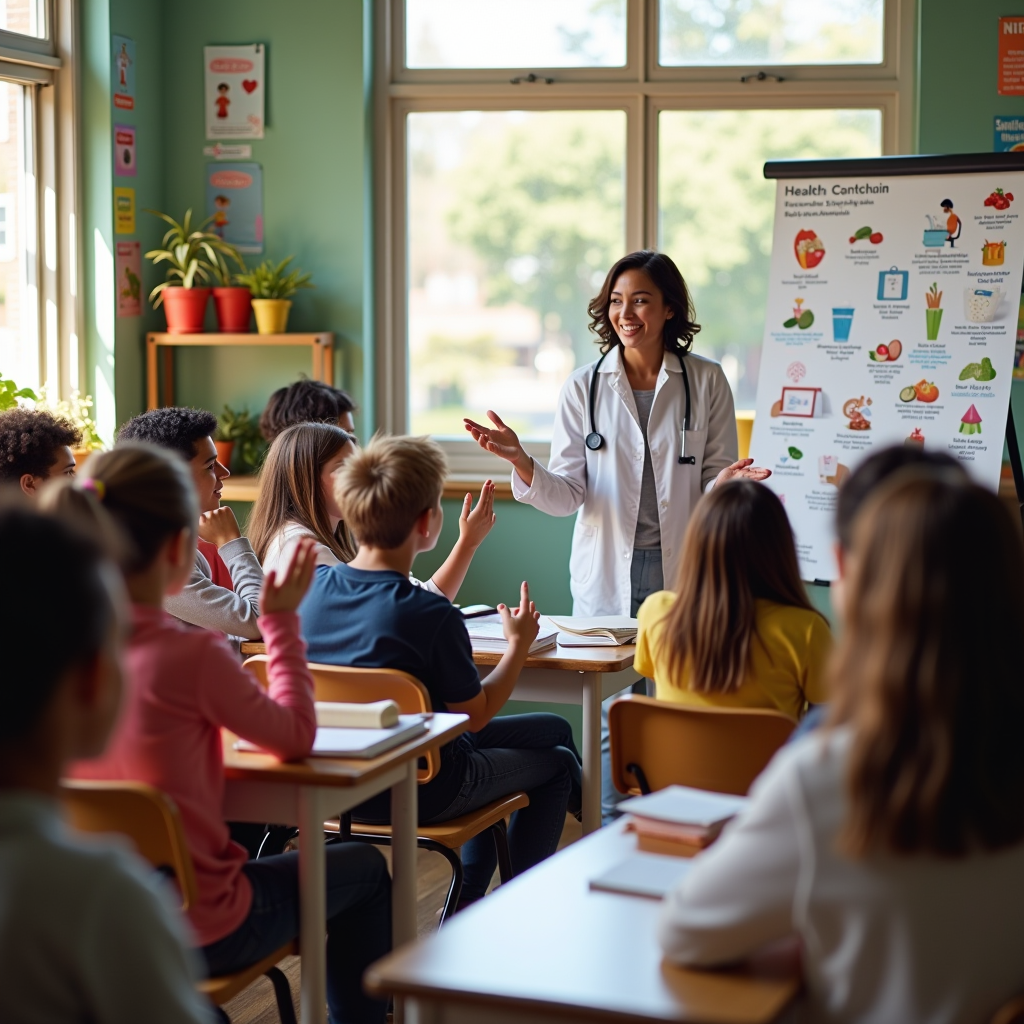
Partnerships between schools and healthcare organizations, public health departments, and community-based organizations strengthen health education efforts by bringing additional expertise and resources to schools. Healthcare professionals can provide guest lectures, lead workshops, and offer screening services. Public health departments contribute evidence-based curricula and training for teachers. Community organizations offer after-school programs that reinforce and extend classroom learning through hands-on activities and real-world applications.
School-based health centers represent a particularly powerful model for integrating health education with accessible healthcare services. These centers, typically located within or adjacent to schools, provide primary care, mental health services, and health education in a setting familiar and accessible to students. When young people can receive both education and care in one location, barriers to accessing health services decrease significantly, and the connection between knowledge and action becomes more direct.
Teacher training represents another critical component of successful school-based health education. When classroom teachers receive professional development in health topics and pedagogical approaches for teaching health content, they become better equipped to integrate health education throughout the school day. Training helps teachers feel confident addressing sensitive topics, responding to student questions appropriately, and recognizing when students may need additional support or referrals to health services.
After-School Wellness Activities and Community Engagement
After-school programs provide valuable opportunities to extend health education beyond the classroom through engaging, hands-on activities that make learning fun and relevant to young people's lives. These programs can include cooking classes that teach nutrition and food preparation skills, sports and fitness activities that promote physical health, art therapy sessions that support emotional wellbeing, and peer mentoring programs that build leadership skills and positive relationships.
Wellness-focused after-school programs often take a holistic approach to health, recognizing that physical, mental, and social wellbeing are interconnected. A typical program might include physical activity, healthy snacks, time for homework and academic support, creative activities, and opportunities for social connection and community building. This comprehensive approach addresses multiple dimensions of health while providing safe, supervised environments where young people can spend time after school hours.
Community engagement strengthens after-school wellness programs by connecting young people with positive role models and resources beyond their immediate school environment. Programs might include field trips to healthcare facilities, visits from health professionals who share their career paths, volunteer opportunities at community health events, or service learning projects that allow students to apply their health knowledge while serving others. These experiences help young people see themselves as active participants in their communities' health and wellbeing.
Family engagement represents another crucial element of successful after-school wellness programs. When programs include family wellness nights, parent education workshops, and opportunities for families to participate in activities together, health education extends beyond individual students to impact entire households. Parents and caregivers gain knowledge and skills that help them support their children's health while improving their own wellbeing. This family-centered approach recognizes that lasting health behavior change often requires support and modeling from important adults in young people's lives.
Measuring Impact and Ensuring Program Quality
Effective health education programs incorporate ongoing evaluation to assess impact and identify areas for improvement. Evaluation might include pre- and post-tests to measure knowledge gains, surveys to assess changes in attitudes and intentions, and tracking of behavioral outcomes such as immunization rates, substance use patterns, or utilization of health services. By collecting and analyzing data, programs can demonstrate their value to funders and stakeholders while continuously improving their approaches.
Quality health education programs adhere to established standards and best practices in the field. This includes using evidence-based curricula, employing trained educators, ensuring cultural competence, and maintaining appropriate scope and sequence across grade levels. Programs should be developmentally appropriate, meaning that content and teaching methods match students' cognitive and emotional maturity levels. Regular review and updating of curricula ensures that information remains current and relevant.
Sustainability represents a critical consideration for health education programs in underserved communities. Programs must develop diverse funding streams, build strong partnerships, and demonstrate clear outcomes to ensure long-term viability. Successful programs often combine public funding, private grants, and in-kind contributions from partners to create stable financial foundations. By investing in program infrastructure, staff development, and community relationships, organizations create programs that can serve young people for years to come, creating lasting positive change in community health outcomes.
Important Disclaimer
The information provided in this article is for educational purposes only and should not be considered medical advice. While we strive to present accurate, evidence-based information about health education programs for children and adolescents, this content does not replace professional medical guidance tailored to individual circumstances.
Parents, guardians, and caregivers should consult with qualified pediatricians, family physicians, or other licensed healthcare professionals regarding specific health concerns, questions, or decisions affecting minors in their care. Every child's health needs are unique, and professional medical providers can offer personalized recommendations based on individual medical history, developmental stage, and specific circumstances.
If you have concerns about your child's physical health, mental wellbeing, development, or any health-related matter, please seek guidance from appropriate healthcare professionals. In case of medical emergencies, contact emergency services immediately. The content in this article should be used as a general resource for understanding health education approaches and should not substitute for professional medical consultation and care.