Published on October 30, 2025
Wellness Initiatives for Healthy Aging: Supporting Senior Populations Through Holistic Health Programs
A comprehensive overview of wellness initiatives designed to support healthy aging among senior populations, covering physical activity programs, fall prevention strategies, social engagement activities, medication management education, and mental wellness support for older adults.
As our population continues to age, the importance of comprehensive wellness initiatives for seniors has never been more critical. Healthy aging is not simply about extending lifespan—it's about enhancing quality of life, maintaining independence, and fostering meaningful connections within communities. Today's senior wellness programs recognize that optimal health in later years requires a holistic approach that addresses physical, mental, emotional, and social well-being.
The landscape of senior care has evolved significantly over the past decade. Rather than focusing solely on managing chronic conditions, modern wellness initiatives emphasize prevention, active engagement, and empowerment. These programs are designed to help older adults maintain their vitality, preserve cognitive function, prevent injuries, and stay connected to their communities. Through evidence-based interventions and compassionate support, social services organizations are transforming how we approach aging in America.
This comprehensive overview explores the multifaceted wellness initiatives that are making a real difference in the lives of senior populations. From structured physical activity programs to mental health support services, these interventions represent a coordinated effort to ensure that aging adults can thrive, not just survive, in their golden years.
Physical Activity Programs: Building Strength and Mobility
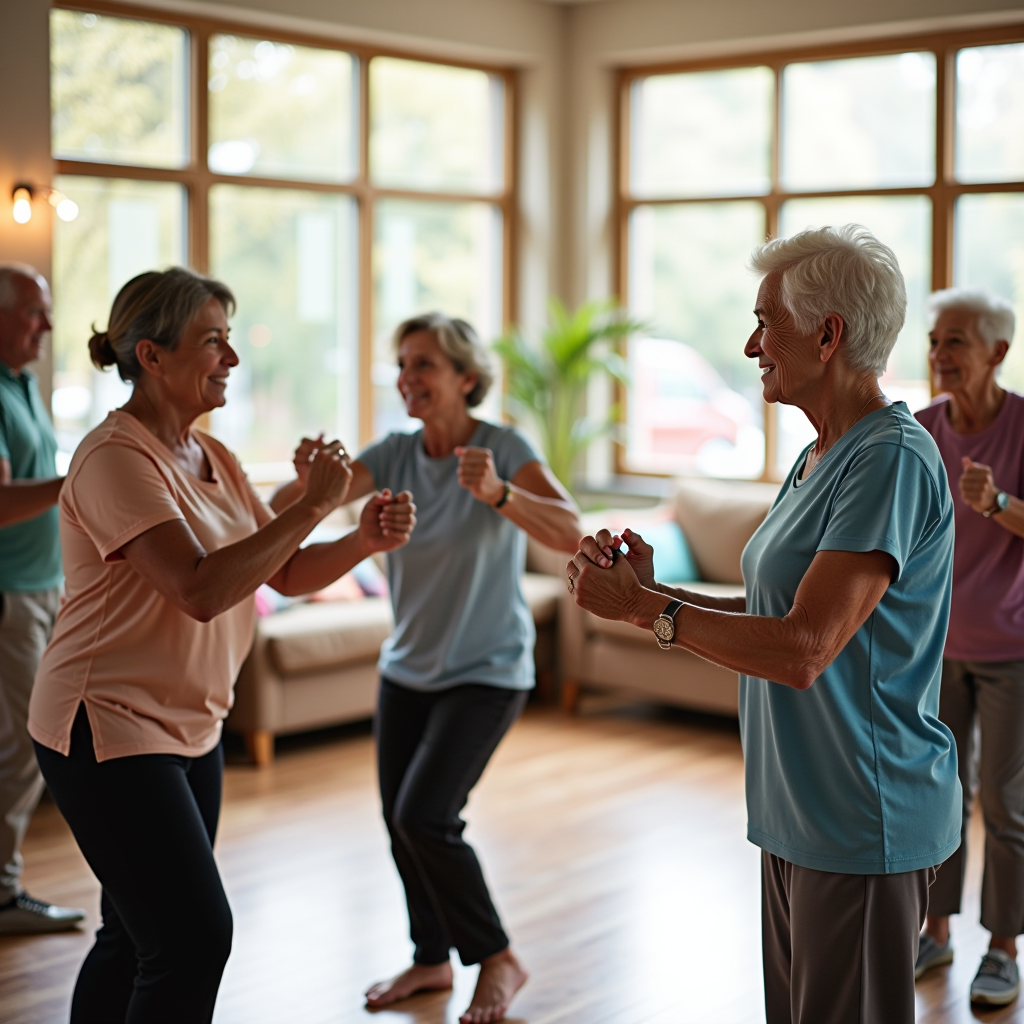
Physical activity remains one of the most powerful tools for maintaining health and independence in older age. Well-designed exercise programs for seniors go far beyond simple movement—they are carefully structured interventions that address the specific physiological changes that occur with aging. These programs focus on improving cardiovascular health, maintaining muscle mass, enhancing flexibility, and preserving balance and coordination.
Evidence-based physical activity initiatives for seniors typically include a combination of aerobic exercise, strength training, flexibility work, and balance exercises. Low-impact aerobic activities such as walking groups, water aerobics, and chair-based cardio classes provide cardiovascular benefits without placing excessive stress on aging joints. These activities help maintain heart health, improve circulation, and boost energy levels while being accessible to individuals with varying fitness levels.
Strength training programs adapted for older adults focus on maintaining muscle mass and bone density, both of which naturally decline with age. Using resistance bands, light weights, or body weight exercises, these programs help seniors preserve their functional strength—the kind of strength needed for daily activities like carrying groceries, climbing stairs, or getting up from a chair. Regular strength training has been shown to reduce the risk of osteoporosis, improve metabolic health, and enhance overall quality of life.
Flexibility and balance exercises form another crucial component of senior fitness programs. Practices such as gentle yoga, tai chi, and targeted stretching routines help maintain range of motion, reduce stiffness, and improve postural stability. These activities are particularly important for fall prevention and maintaining the ability to perform activities of daily living independently. Many programs incorporate elements of mindfulness and breathing exercises, providing additional mental health benefits alongside the physical improvements.
Fall Prevention Strategies: Protecting Independence and Safety
Falls represent one of the most significant health risks facing older adults, often resulting in serious injuries, loss of independence, and decreased quality of life. Comprehensive fall prevention strategies have become a cornerstone of senior wellness initiatives, combining education, environmental modifications, physical conditioning, and medical management to reduce fall risk and protect senior safety.
Effective fall prevention programs begin with comprehensive risk assessments that evaluate multiple factors contributing to fall risk. These assessments examine physical capabilities such as strength, balance, and gait; review medications that may affect stability or alertness; assess vision and hearing; and evaluate home environments for potential hazards. By identifying specific risk factors for each individual, programs can develop targeted interventions that address the most pressing concerns.
Home safety evaluations and modifications play a vital role in fall prevention. Trained professionals conduct walk-throughs of seniors' living spaces, identifying hazards such as loose rugs, poor lighting, cluttered walkways, or lack of grab bars in bathrooms. Many programs provide assistance with implementing recommended modifications, from installing handrails and improving lighting to removing tripping hazards and rearranging furniture to create safer pathways. These environmental changes can dramatically reduce fall risk while allowing seniors to remain in their own homes.
Balance and strength training specifically designed for fall prevention forms another critical component. Programs such as the evidence-based Otago Exercise Program or Tai Chi for Arthritis have been proven to significantly reduce fall rates among older adults. These interventions focus on improving lower body strength, enhancing balance reactions, and building confidence in movement. Regular participation in these programs not only reduces fall risk but also helps seniors maintain the physical capabilities needed for independent living.
Social Engagement Activities: Combating Isolation and Building Community
Social isolation and loneliness pose serious health risks for older adults, comparable to the dangers of smoking or obesity. Research consistently shows that seniors with strong social connections experience better physical health, improved cognitive function, and enhanced emotional well-being. Recognizing this critical need, wellness initiatives increasingly prioritize social engagement activities that foster meaningful connections and combat the isolation that too many seniors face.
Community-based social programs create opportunities for seniors to connect with peers, share experiences, and build supportive relationships. Senior centers offer a wide range of activities, from art classes and book clubs to game groups and educational lectures. These programs provide regular opportunities for social interaction while also engaging participants in mentally stimulating activities. The combination of social connection and cognitive engagement creates powerful benefits for overall well-being and helps maintain mental sharpness.
Intergenerational programs represent an innovative approach to social engagement that benefits both seniors and younger community members. These initiatives bring together older adults with children, teenagers, or young adults for shared activities, mentoring relationships, or collaborative projects. Seniors gain a sense of purpose and connection while sharing their wisdom and experience, while younger participants benefit from the guidance and perspective of older generations. These programs help combat ageism, strengthen community bonds, and provide meaningful engagement for all involved.
Volunteer opportunities and civic engagement programs offer seniors meaningful ways to contribute to their communities while staying socially connected. Many older adults find great satisfaction in giving back through volunteer work, whether it's mentoring youth, supporting local charities, or participating in community improvement projects. These activities provide a sense of purpose, maintain social connections, and allow seniors to use their skills and experience in valuable ways. Programs that facilitate senior volunteerism recognize that older adults are not just recipients of services but vital contributors to community well-being.
Medication Management Education: Promoting Safe and Effective Use
As seniors often manage multiple chronic conditions requiring various medications, proper medication management becomes increasingly complex and critically important. Medication-related problems—including adverse drug reactions, drug interactions, and non-adherence—represent significant health risks for older adults. Comprehensive medication management education programs help seniors navigate this complexity, ensuring they use their medications safely and effectively while minimizing risks.
Educational initiatives focus on helping seniors understand their medications, including what each medication does, how to take it properly, potential side effects to watch for, and the importance of adherence to prescribed regimens. Programs often provide one-on-one consultations with pharmacists or nurses who review all medications, including prescription drugs, over-the-counter medications, and supplements. These reviews help identify potential problems such as duplicate therapies, drug interactions, or medications that may no longer be necessary.
Practical tools and strategies help seniors manage complex medication regimens more effectively. Programs introduce organizational systems such as pill organizers, medication calendars, and reminder apps that make it easier to take medications as prescribed. Education covers proper storage of medications, safe disposal of expired or unused drugs, and the importance of maintaining an up-to-date medication list to share with all healthcare providers. These practical skills empower seniors to take an active role in their medication management.
Communication skills training helps seniors become better advocates for their own health. Programs teach participants how to ask questions about their medications, discuss concerns with healthcare providers, and report side effects or problems. This education emphasizes the importance of bringing all medications to medical appointments, asking about the purpose of each new prescription, and understanding how medications fit into their overall treatment plan. By improving health literacy and communication skills, these programs help seniors become more engaged and informed partners in their healthcare.
Mental Wellness Support: Addressing Emotional and Cognitive Health
Mental and emotional health are fundamental components of overall wellness, yet they are often overlooked in senior care. Depression, anxiety, grief, and cognitive decline affect many older adults, significantly impacting quality of life and physical health. Comprehensive wellness initiatives recognize the critical importance of mental health support and provide a range of services designed to promote emotional well-being and cognitive vitality among senior populations.
Mental health screening and counseling services help identify and address emotional health concerns before they become severe. Many programs offer regular depression and anxiety screenings, recognizing that these conditions are not a normal part of aging and can be effectively treated. Access to counseling services, support groups, and mental health professionals provides seniors with resources to address grief, life transitions, chronic illness adjustment, and other emotional challenges. These services reduce stigma around mental health issues and ensure that seniors receive the support they need.
Cognitive stimulation programs help maintain mental sharpness and may slow cognitive decline. Activities such as memory training, problem-solving exercises, learning new skills, and engaging in creative pursuits provide the mental stimulation that keeps brains active and healthy. Programs might include computer classes, language learning, music therapy, art workshops, or brain fitness games. Research suggests that regular cognitive engagement, combined with physical activity and social interaction, can help preserve cognitive function and reduce the risk of dementia.
Stress management and relaxation techniques provide seniors with tools to cope with the challenges of aging. Programs teach mindfulness meditation, deep breathing exercises, progressive muscle relaxation, and other stress-reduction strategies. These techniques can help manage chronic pain, improve sleep quality, reduce anxiety, and enhance overall emotional well-being. Many seniors find that incorporating these practices into their daily routines significantly improves their quality of life and ability to cope with health challenges.
The Importance of Holistic Approaches to Senior Health
The most effective wellness initiatives for seniors recognize that health and well-being are multidimensional, requiring attention to physical, mental, emotional, and social needs. Holistic approaches acknowledge that these dimensions are interconnected—physical health affects mental well-being, social connections influence physical health, and emotional wellness impacts overall quality of life. By addressing all aspects of health simultaneously, holistic programs create synergistic benefits that exceed what any single intervention could achieve.
Integrated care models bring together various health and social services to provide coordinated, comprehensive support. Rather than treating each health concern in isolation, these models ensure that all aspects of a senior's well-being are considered together. Care teams might include physicians, nurses, social workers, physical therapists, nutritionists, and mental health professionals who collaborate to develop individualized care plans. This coordination prevents gaps in care, reduces duplication of services, and ensures that interventions complement rather than conflict with each other.
Person-centered care places the individual senior at the center of all planning and decision-making. Rather than applying one-size-fits-all solutions, holistic programs recognize that each older adult has unique needs, preferences, values, and goals. Programs work with seniors to identify what matters most to them and design interventions that align with their personal priorities. This approach respects individual autonomy, promotes engagement, and ensures that wellness initiatives truly serve the needs and desires of the people they're designed to help.
Prevention and early intervention form the foundation of holistic senior wellness. Rather than waiting for health problems to become severe, proactive programs identify risks early and implement preventive measures. Regular health screenings, wellness assessments, and ongoing monitoring help catch potential issues before they escalate. This preventive approach not only improves health outcomes but also reduces healthcare costs and helps seniors maintain their independence longer.
The Role of Social Services in Maintaining Quality of Life
Social services organizations play an indispensable role in supporting senior wellness and maintaining quality of life for older adults. These organizations serve as bridges between seniors and the resources they need, advocates for senior rights and needs, and providers of essential services that enable older adults to age with dignity and independence. Their work extends far beyond basic service provision to encompass community building, policy advocacy, and systemic change that benefits all seniors.
Care coordination and navigation services help seniors and their families navigate the complex landscape of healthcare and social services. Social workers and case managers assess needs, connect seniors with appropriate resources, coordinate services across multiple providers, and ensure that care plans are implemented effectively. This navigation support is particularly valuable for seniors managing multiple chronic conditions or facing complex care needs, helping them access the full range of services available while avoiding duplication or gaps in care.
Support for caregivers represents another critical function of social services organizations. Family caregivers provide the majority of care for older adults, often at significant personal cost. Social services programs offer caregiver education, respite care, support groups, and counseling to help family members sustain their caregiving roles without sacrificing their own health and well-being. By supporting caregivers, these programs enable more seniors to remain in their homes and communities while ensuring that family members receive the assistance they need.
Advocacy and community education work to create age-friendly communities and combat ageism. Social services organizations advocate for policies and programs that support senior wellness, work to increase public awareness of aging issues, and promote positive attitudes toward older adults. They collaborate with local governments, businesses, and community organizations to create environments that support healthy aging—from accessible public spaces and transportation options to affordable housing and healthcare services. This systemic work creates the conditions that allow all seniors to thrive.
Moving Forward: Building a Future of Healthy Aging
The comprehensive wellness initiatives described in this overview represent a fundamental shift in how we approach aging and senior care. Rather than viewing older adults as passive recipients of services, these programs recognize seniors as active participants in their own health and well-being, capable of growth, contribution, and continued vitality throughout their later years. By addressing physical health, fall prevention, social engagement, medication management, and mental wellness through holistic, person-centered approaches, these initiatives are transforming the experience of aging.
The success of these programs depends on continued investment, innovation, and collaboration across healthcare, social services, and community organizations. As our population ages, the demand for comprehensive wellness services will only increase. Meeting this demand requires adequate funding, trained professionals, accessible facilities, and community support. It also requires ongoing research to identify best practices, evaluate program effectiveness, and develop new interventions that address emerging needs.
Most importantly, creating a future of healthy aging requires a cultural shift in how we view and value older adults. We must move beyond stereotypes and recognize the diversity, capability, and potential of senior populations. We must create communities that welcome and include older adults, provide opportunities for meaningful engagement, and support independence and dignity throughout the aging process. When we invest in senior wellness, we invest in the well-being of our entire society.
The wellness initiatives outlined in this article demonstrate what is possible when we take a comprehensive, compassionate approach to senior health. Through physical activity programs, fall prevention strategies, social engagement opportunities, medication management education, and mental wellness support, we can help older adults maintain their health, independence, and quality of life. Social services organizations play a vital role in delivering these programs and advocating for the needs of senior populations. Together, we can create a future where aging is not something to fear but a natural stage of life characterized by continued growth, contribution, and well-being.
Important Disclaimer
The content provided in this article is for general informational purposes only and should not be considered medical advice. All seniors should consult with their physicians or qualified healthcare providers before starting any new exercise program, wellness initiative, or making changes to their current health routines. Individual health needs vary significantly, and what is appropriate for one person may not be suitable for another. Healthcare professionals can provide personalized recommendations based on individual health status, medical history, current medications, and specific needs. Always seek professional medical guidance when making decisions about your health and wellness.