Published on January 15, 2026
Mental Health Initiatives and Support Programs for Underserved Populations
Access to quality mental healthcare remains one of the most pressing challenges facing underserved communities today. Despite growing awareness of mental health issues, significant barriers continue to prevent vulnerable populations from receiving the support they desperately need. This comprehensive exploration examines the current landscape of mental health initiatives, the obstacles that underserved populations face, and the innovative programs working to bridge these critical gaps in care.
Mental health conditions affect millions of individuals across all demographics, yet those in underserved communities—including low-income families, racial and ethnic minorities, rural residents, and individuals experiencing homelessness—face disproportionate challenges in accessing treatment. Understanding these disparities and the solutions being implemented is essential for creating a more equitable healthcare system that serves everyone, regardless of their circumstances.
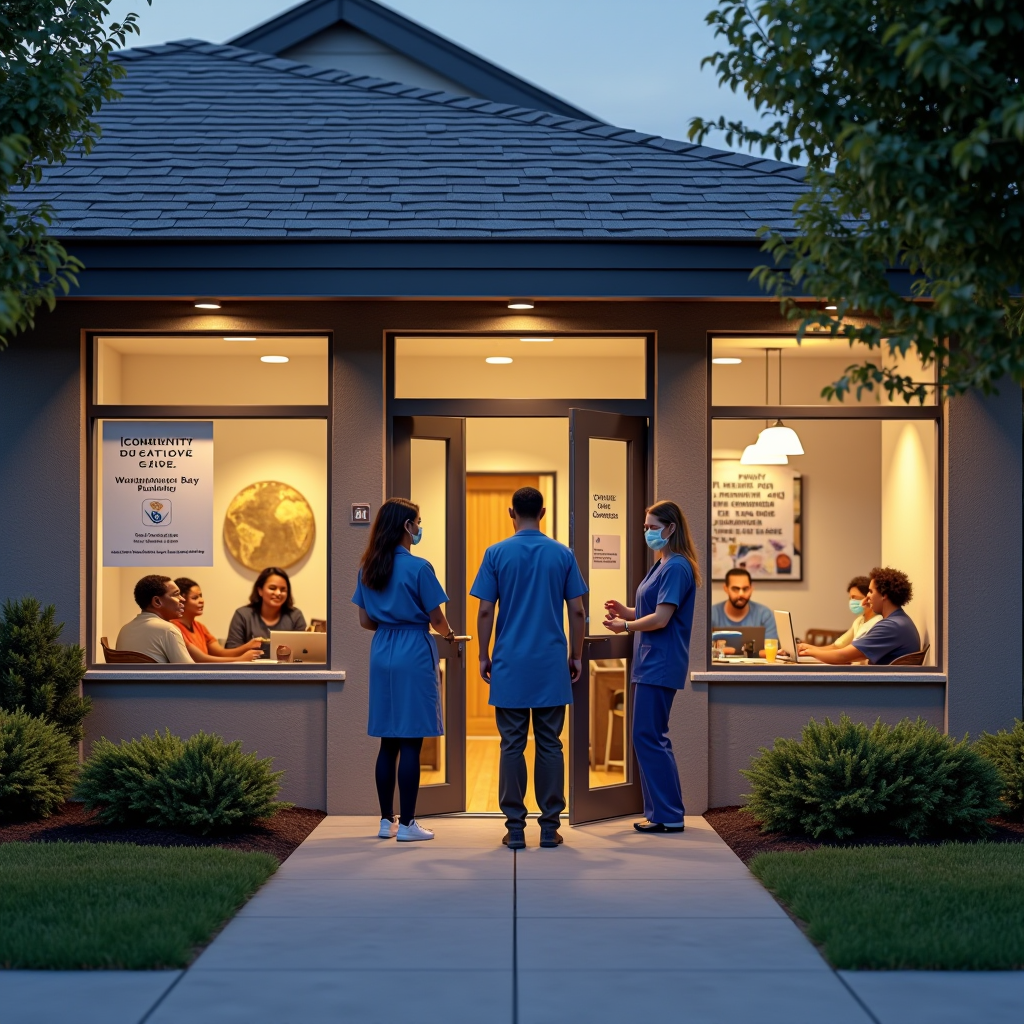
Understanding Barriers to Mental Healthcare Access
The path to mental healthcare is fraught with obstacles for underserved populations. Financial constraints represent perhaps the most significant barrier, as many individuals lack adequate health insurance or the means to pay out-of-pocket for services. Even when insurance coverage exists, high deductibles, copayments, and limited mental health benefits can make treatment prohibitively expensive. This economic reality forces many to choose between seeking mental health support and meeting other basic needs such as housing, food, and utilities.
Geographic barriers compound these challenges, particularly in rural areas where mental health professionals are scarce. The shortage of providers means that individuals may need to travel significant distances to access care, creating additional burdens in terms of time, transportation costs, and lost wages. Urban underserved communities face different but equally challenging geographic barriers, including limited public transportation options and the concentration of mental health services in more affluent neighborhoods.
Cultural and linguistic barriers further complicate access to mental healthcare. Many underserved populations come from communities where mental health issues carry significant stigma, making individuals reluctant to seek help. Language differences can prevent effective communication between patients and providers, while cultural misunderstandings may lead to misdiagnosis or inappropriate treatment approaches. The lack of culturally competent care—services that respect and integrate patients' cultural beliefs, values, and practices—remains a critical gap in the mental healthcare system.
Systemic barriers within the healthcare system itself create additional obstacles. Long waiting lists for appointments, limited clinic hours that conflict with work schedules, complex intake processes, and fragmented care coordination all contribute to reduced access. For individuals dealing with severe mental health crises, these delays can have devastating consequences. The shortage of mental health professionals, particularly those willing to accept Medicaid or work in underserved areas, exacerbates these systemic challenges.
Community-Based Intervention Strategies
Recognizing the limitations of traditional mental healthcare delivery models, innovative community-based intervention strategies have emerged as powerful tools for reaching underserved populations. These approaches prioritize accessibility, cultural sensitivity, and integration with existing community resources, creating pathways to care that work within the realities of people's lives rather than requiring them to navigate complex healthcare systems.
Mobile Mental Health Services
Mobile mental health clinics bring services directly to underserved communities, eliminating transportation barriers and increasing visibility of mental health resources. These programs typically operate from specially equipped vehicles that travel to schools, community centers, homeless shelters, and other locations where vulnerable populations gather. By meeting people where they are, mobile services reduce the stigma associated with visiting a mental health facility and make it easier for individuals to access care without disrupting their daily routines.
These mobile units often provide comprehensive services including initial assessments, individual counseling, medication management, and referrals to additional resources. Many programs employ bilingual staff and culturally competent providers who understand the unique challenges facing the communities they serve. The flexibility of mobile services allows programs to respond to emerging needs, such as providing crisis intervention following community traumas or expanding services during times of increased demand.
Integrated Care Models
Integrated care models embed mental health services within primary care settings, recognizing that many individuals in underserved communities are more likely to seek help for physical health concerns than mental health issues. By co-locating mental health professionals in primary care clinics, these programs facilitate warm handoffs between providers, reduce stigma, and improve care coordination. Patients can address both their physical and mental health needs in a single visit, eliminating the need for separate appointments and reducing the likelihood of falling through the cracks.
This integration extends beyond simple co-location to include collaborative care approaches where primary care providers, mental health specialists, and care coordinators work as a team to develop and implement treatment plans. Regular case consultations ensure that all providers are aligned in their approach, while care coordinators help patients navigate the healthcare system, schedule appointments, and access community resources. This team-based approach has proven particularly effective for managing common mental health conditions such as depression and anxiety in underserved populations.
School-Based Mental Health Programs
Schools serve as critical access points for reaching children and adolescents in underserved communities. School-based mental health programs provide on-site counseling, crisis intervention, and preventive services, ensuring that young people can access support without leaving the familiar environment of their school. These programs often include mental health education for students, teachers, and parents, helping to reduce stigma and increase awareness of available resources.
By identifying and addressing mental health concerns early, school-based programs can prevent more serious problems from developing and improve academic outcomes. Many programs also provide training for teachers and staff to recognize signs of mental health distress and make appropriate referrals. This whole-school approach creates a supportive environment where mental health is prioritized alongside academic achievement, benefiting not just individual students but the entire school community.
The Role of Charitable Organizations in Mental Health Support
Charitable organizations and grantmaking foundations play an indispensable role in expanding mental health services for underserved populations. These organizations fill critical gaps in the healthcare system by funding innovative programs, supporting community-based initiatives, and advocating for policy changes that improve access to care. Their flexibility and responsiveness allow them to address emerging needs quickly and support approaches that may not yet have proven track records but show promise for reaching vulnerable populations.
Many charitable organizations focus specifically on reducing barriers to mental healthcare access. They provide grants to community health centers to expand mental health services, fund training programs to increase the number of culturally competent providers, and support research into effective intervention strategies for underserved populations. Some organizations operate their own mental health programs, offering free or low-cost counseling, support groups, and crisis intervention services to individuals who would otherwise have no access to care.
Beyond direct service provision, charitable organizations serve as powerful advocates for systemic change. They work to influence public policy, increase funding for mental health services, and raise awareness about the mental health needs of underserved communities. Through public education campaigns, they help reduce stigma and encourage individuals to seek help when needed. Their advocacy efforts have contributed to important policy changes, including expanded Medicaid coverage for mental health services and increased funding for community mental health centers.
Collaboration between charitable organizations, healthcare providers, and community groups creates powerful networks of support. These partnerships leverage the strengths of each sector—the funding and flexibility of charitable organizations, the clinical expertise of healthcare providers, and the community knowledge and trust of local organizations. Together, they can implement comprehensive approaches that address not just mental health symptoms but also the social determinants of health that contribute to mental health disparities.
Counseling Services and Therapeutic Approaches
Effective counseling services for underserved populations must be both accessible and culturally appropriate. Traditional one-on-one therapy, while valuable, may not always be the most effective or feasible approach for individuals facing multiple barriers to care. Innovative programs have developed diverse therapeutic approaches that accommodate the unique needs and circumstances of underserved communities while maintaining clinical effectiveness.
Telehealth has emerged as a powerful tool for expanding access to counseling services, particularly in rural areas and for individuals with transportation or mobility challenges. Video counseling sessions allow patients to connect with mental health professionals from the comfort and privacy of their homes, eliminating many practical barriers to care. While telehealth cannot completely replace in-person services, it significantly expands the reach of mental health providers and offers a valuable option for ongoing support and follow-up care.
Group therapy and psychoeducational programs offer cost-effective alternatives that can serve multiple individuals simultaneously while providing the added benefit of peer support. These programs address common mental health concerns such as depression, anxiety, trauma, and substance use disorders through structured curricula that teach coping skills and provide opportunities for participants to share experiences and support one another. The group format can be particularly effective for individuals who feel isolated or stigmatized, as it normalizes mental health struggles and builds community connections.
Culturally adapted therapeutic approaches recognize that effective mental health treatment must align with patients' cultural values, beliefs, and experiences. These adaptations might include incorporating traditional healing practices, using culturally relevant metaphors and examples, involving family members in treatment, or addressing specific cultural stressors such as discrimination and acculturation challenges. Providers trained in cultural competency are better equipped to build trust with patients from diverse backgrounds and deliver care that resonates with their lived experiences.
Peer Support Groups and Community Networks
Peer support groups represent a vital component of comprehensive mental health services for underserved populations. These groups bring together individuals with shared experiences—whether related to specific mental health conditions, life circumstances, or cultural backgrounds—to provide mutual support, share coping strategies, and reduce feelings of isolation. Unlike professional counseling, peer support is based on the principle that individuals with lived experience of mental health challenges can offer unique insights and understanding to others facing similar struggles.
The accessibility of peer support groups makes them particularly valuable for underserved communities. Many groups meet in community spaces such as libraries, churches, or community centers, eliminating the need to navigate healthcare facilities. They typically operate on a drop-in basis with no cost to participants, removing financial barriers to participation. The informal nature of peer support can feel less intimidating than formal therapy, making it an important entry point for individuals who might be hesitant to seek professional help.
Peer support specialists—individuals with lived experience of mental health challenges who have received training to support others—play an increasingly important role in mental health service delivery. These specialists work in various settings, including community mental health centers, hospitals, and crisis intervention programs, providing support, advocacy, and practical assistance to individuals navigating the mental health system. Their unique perspective and ability to relate to clients' experiences make them valuable members of treatment teams and trusted resources for individuals seeking help.
Online peer support communities have expanded access to mutual support, particularly for individuals in rural areas or those with mobility limitations. These digital platforms allow people to connect with others facing similar challenges regardless of geographic location, providing 24/7 access to support and information. While online communities cannot replace in-person connections or professional treatment, they offer valuable supplementary support and can help individuals feel less alone in their struggles.
Crisis Intervention Resources and Emergency Support
Mental health crises require immediate, accessible intervention to prevent harm and connect individuals with appropriate care. For underserved populations, who may face additional barriers during emergencies, having robust crisis intervention resources is particularly critical. These services must be available 24/7, culturally competent, and designed to de-escalate situations while connecting individuals with ongoing support.
Crisis hotlines provide immediate telephone support for individuals experiencing mental health emergencies, including suicidal thoughts, severe anxiety, or acute distress. Many hotlines now offer text and chat options, recognizing that some individuals may prefer or require alternative communication methods. Multilingual services ensure that language barriers do not prevent individuals from accessing help during crises. Trained crisis counselors provide emotional support, safety planning, and referrals to local resources, serving as a critical first line of response.
Mobile crisis teams represent an innovative approach to crisis intervention that brings help directly to individuals in distress. These teams, typically composed of mental health professionals and peer support specialists, respond to crisis calls in the community rather than requiring individuals to come to emergency departments. This approach reduces unnecessary hospitalizations, provides care in less restrictive settings, and connects individuals with community-based resources for ongoing support. For underserved populations, mobile crisis teams can be particularly valuable as they eliminate transportation barriers and provide culturally sensitive intervention.
Crisis stabilization centers offer short-term residential services for individuals experiencing acute mental health crises who need more intensive support than outpatient services can provide but do not require hospitalization. These centers provide a safe, supportive environment where individuals can stabilize, develop coping strategies, and connect with ongoing services. For underserved populations who may lack stable housing or supportive family networks, crisis stabilization centers fill a critical gap in the continuum of care.
Warm lines complement crisis hotlines by providing non-emergency emotional support during times of distress that do not rise to the level of crisis. These services, often staffed by peer support specialists, offer a listening ear and practical coping strategies for individuals who need support but are not in immediate danger. Warm lines help prevent crises from escalating and provide an accessible resource for individuals who may not feel their concerns warrant a crisis call but still need support.
Building Sustainable Mental Health Infrastructure
Creating lasting change in mental healthcare access for underserved populations requires building sustainable infrastructure that can continue to serve communities over the long term. This involves not just expanding services but also developing the workforce, securing stable funding, and creating systems that can adapt to changing needs. Sustainability ensures that the gains made in improving access to care are not temporary but become permanent features of the healthcare landscape.
Workforce development represents a critical component of sustainable mental health infrastructure. This includes training more mental health professionals, particularly those from underserved communities who can bring cultural competency and lived experience to their work. Loan forgiveness programs, scholarships, and incentives for working in underserved areas help attract and retain qualified professionals. Training programs that emphasize cultural competency, trauma-informed care, and community-based approaches prepare providers to effectively serve diverse populations.
Sustainable funding models combine multiple revenue streams to ensure program stability. This might include a mix of government funding, private insurance reimbursement, charitable grants, and community fundraising. Programs that can demonstrate their effectiveness through data collection and evaluation are better positioned to secure ongoing funding. Value-based payment models that reward outcomes rather than simply volume of services can help align financial incentives with quality care delivery.
Technology infrastructure supports both service delivery and program management. Electronic health records facilitate care coordination and data collection, while telehealth platforms expand access to services. Data analytics help programs identify gaps in services, track outcomes, and make evidence-based decisions about resource allocation. Investing in robust technology infrastructure enables programs to operate more efficiently and effectively serve their communities.
Looking Forward: The Future of Mental Health Services
The landscape of mental health services for underserved populations continues to evolve, driven by innovation, advocacy, and growing recognition of mental health as a fundamental component of overall health. Emerging approaches show promise for further expanding access and improving outcomes, while ongoing challenges remind us that much work remains to be done. The future of mental health services will likely be characterized by greater integration, increased use of technology, and continued emphasis on community-based, culturally responsive care.
Artificial intelligence and digital mental health tools offer new possibilities for expanding access to support and early intervention. Apps that provide cognitive behavioral therapy techniques, mood tracking, and crisis resources can supplement professional care and provide support between appointments. However, these tools must be developed and implemented thoughtfully to ensure they are accessible, culturally appropriate, and do not exacerbate existing disparities. The human element of mental healthcare remains irreplaceable, and technology should enhance rather than replace personal connections.
Policy changes at local, state, and federal levels will continue to shape access to mental health services. Advocacy for increased funding, expanded insurance coverage, and policies that address social determinants of health remains crucial. The integration of mental health services into primary care, schools, and other community settings must be supported through policy and funding mechanisms. Efforts to reduce stigma and increase mental health literacy should be prioritized as essential components of a comprehensive approach to improving mental health outcomes.
Community engagement and empowerment will remain central to effective mental health initiatives. Programs that involve community members in planning, implementation, and evaluation are more likely to be culturally appropriate and sustainable. Supporting community-led initiatives and recognizing the expertise that comes from lived experience ensures that services truly meet the needs of the populations they serve. The future of mental health services for underserved populations depends on continued collaboration, innovation, and commitment to health equity.
Medical Disclaimer
The content provided in this article is for informational purposes only and is not intended to be a substitute for professional medical advice, diagnosis, or treatment. Always seek the advice of your physician or other qualified health provider with any questions you may have regarding a mental health condition. Never disregard professional medical advice or delay in seeking it because of something you have read in this article. If you are experiencing a mental health crisis or emergency, please contact your local emergency services or a crisis hotline immediately.